A Foundation for Sustainable Development
Environmental Services
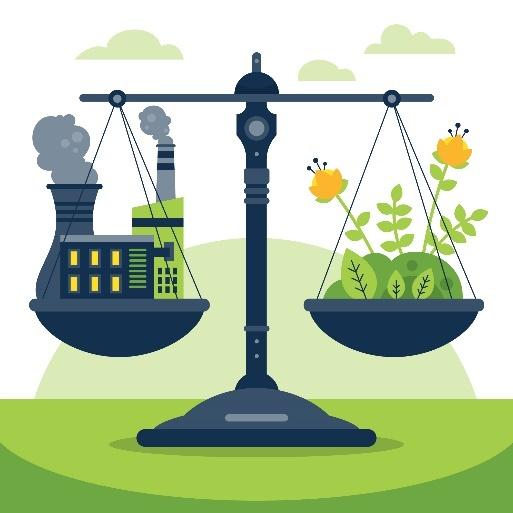
Environmental Services are crucial for mitigating the negative effects of human activity on the natural world. This broad category includes consulting, pollution control, waste management, and site restoration. These services ensure businesses and projects comply with environmental regulations and adopt sustainable practices, promoting the health of ecosystems and communities.
Initial Environmental Examination (IEE)
IEE is a preliminary environmental assessment conducted before a project begins. It identifies potential environmental impacts and proposes basic mitigation measures. Required mainly for small to medium-scale projects, IEE helps ensure compliance with environmental laws and supports decision-making for project approval.
Environmental Impact Assessment (EIA)
EIA is a detailed study carried out to assess the potential environmental, social, and economic impacts of large projects before they begin. It helps identify risks, propose mitigation measures, and ensures that development is environmentally sustainable and legally compliant. EIA is essential for high-impact projects.
Environmental Management Plan (EMP)
EMP is a site-specific plan that outlines how to manage and minimize environmental impacts during a project’s construction and operation. It includes mitigation measures, monitoring strategies, responsible personnel, and emergency response actions to ensure environmental compliance and sustainability throughout the project lifecycle.
Survey of Environmental Legislation
This involves reviewing all relevant environmental laws, regulations, and policies that apply to a project or organization. It ensures compliance with legal requirements, helps identify permits needed, and guides environmental management practices to avoid legal risks and promote sustainable operations.
Workplace Safety and Environmental Policy development
This service involves creating clear, practical policies to ensure a safe working environment and responsible environmental practices. It outlines safety procedures, waste management, emergency response, and compliance with laws—helping organizations reduce risks, protect workers, and operate sustainably.
Environmental Management System (EMS) & ISO 14001
EMS is a structured framework that helps organizations manage their environmental responsibilities effectively. ISO 14001 is the international standard for EMS, guiding businesses to reduce environmental impact, comply with regulations, and improve sustainability through continuous monitoring, planning, and performance improvement.
Risk Assessment & Hazard Perception & Analysis
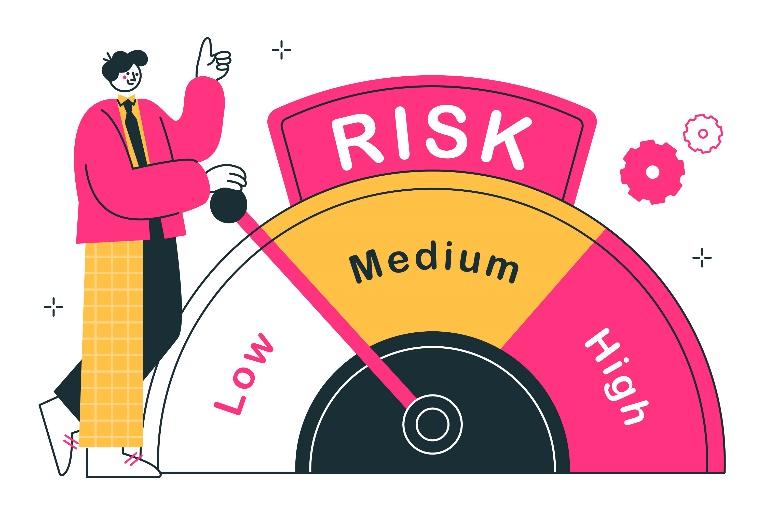
This involves identifying potential hazards in a project or workplace, analyzing their likelihood and impact, and developing measures to control or eliminate risks. It helps ensure safety, prevent accidents, and support informed decision-making for safer and more efficient operations.
Occupational Health, Safety & Environment (OHSE)
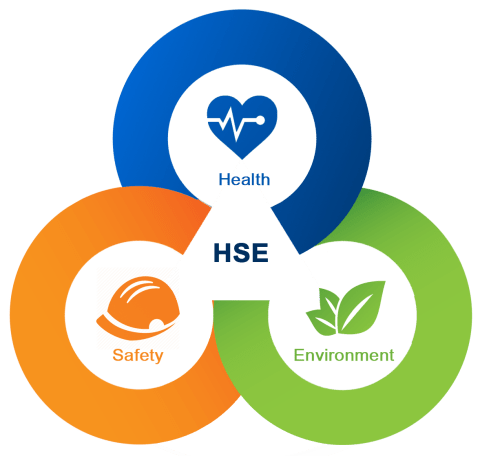
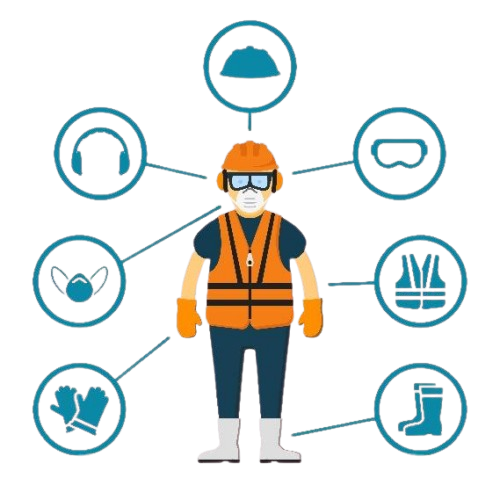
OHSE focuses on protecting workers’ health and safety while ensuring environmental care in the workplace. It includes risk assessment, safety training, emergency planning, and pollution control—helping organizations create safer, healthier, and more sustainable working environments.
Environmental Awareness & Education
This service promotes knowledge and understanding of environmental issues through training, workshops, and campaigns. It empowers individuals and organizations to adopt eco-friendly practices, make informed decisions, and contribute to sustainability and environmental protection.