Tracking and Protecting Our World

Environment Monitoring

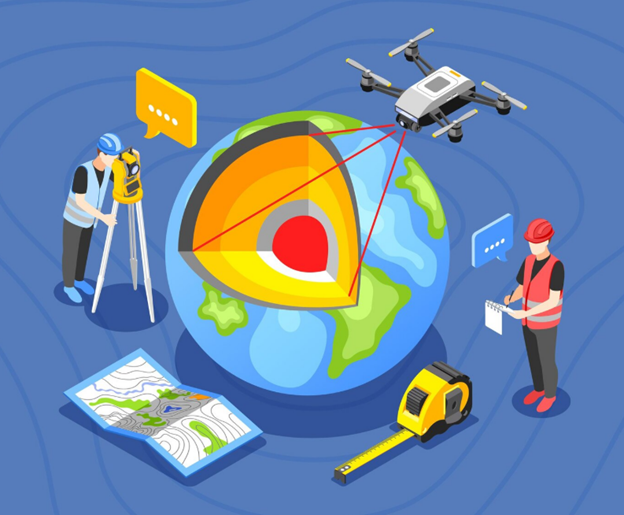
Environmental monitoring is the process of collecting and analyzing data to assess the current state of the environment. This includes tracking air, water, and soil quality to detect pollutants, identify changes over time, and predict potential issues. By using sensors and laboratory analysis, monitoring services help organizations manage their environmental impact and ensure regulatory compliance.

Mask Group
Picture1
Image7 Removebg Preview

Ambient Air Test

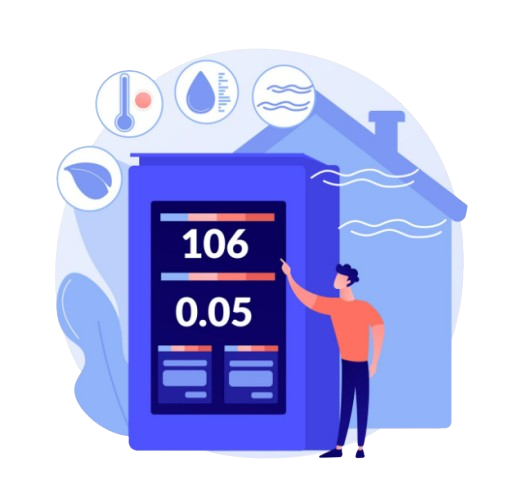
This test measures the quality of outdoor air by analyzing pollutants like PM2.5, PM10, SO₂, NO₂, and CO. It helps assess the environmental impact of activities, ensures compliance with air quality standards, and supports actions to protect public health and the environment.

Ambient Noise Test

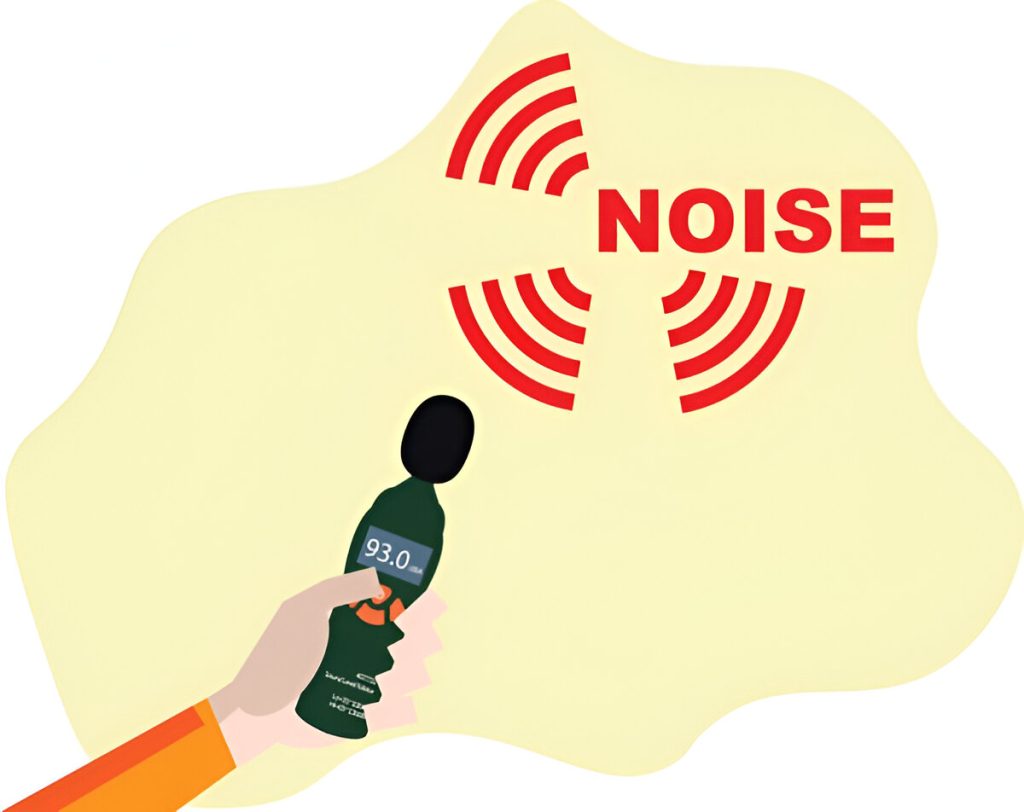
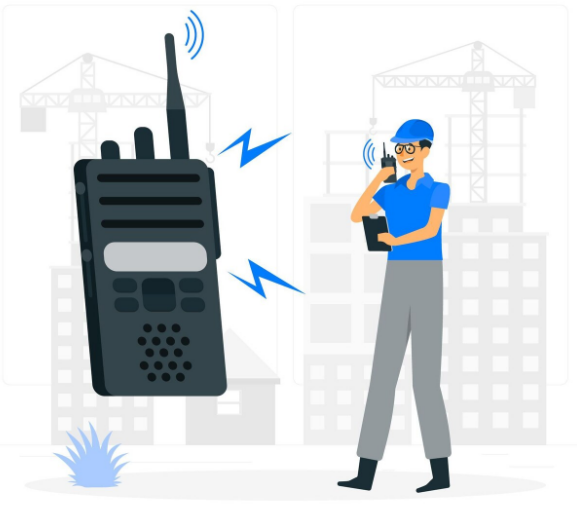
This test measures background sound levels in an area, usually in decibels (dB). It helps assess noise pollution from traffic, industries, or construction, ensuring compliance with noise standards and protecting public health and environmental quality.

Steptodown.com220290 1024x812
Image6 Removebg Preview 2

Water Quality Test

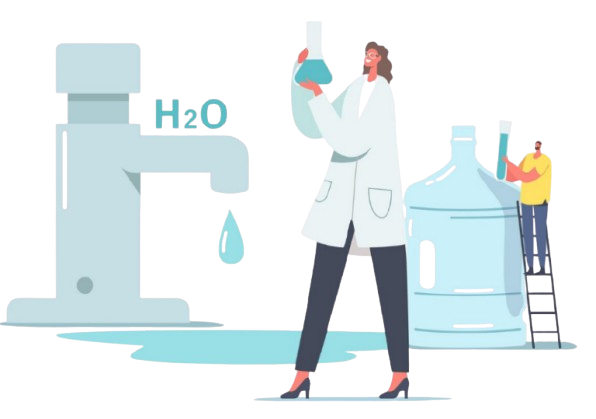
This test analyzes physical, chemical, and biological properties of water to assess its safety for drinking, irrigation, or industrial use. It checks parameters like pH, TDS, turbidity, heavy metals, and microbial content—ensuring compliance with water quality standards and public health protection.


Soil Quality Test

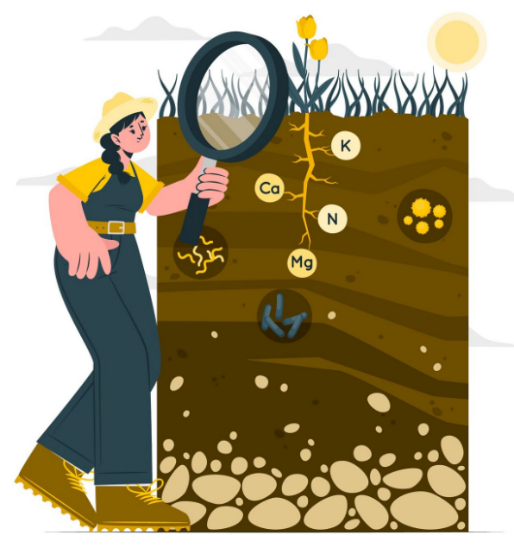
This test evaluates soil properties such as nutrient levels, pH, texture, and contamination by heavy metals or pollutants. It helps determine soil health for agriculture, construction, or environmental assessment, ensuring safe and sustainable land use practices.

Image10
Steptodown.com547853 Removebg Preview

Sediment Quality Test

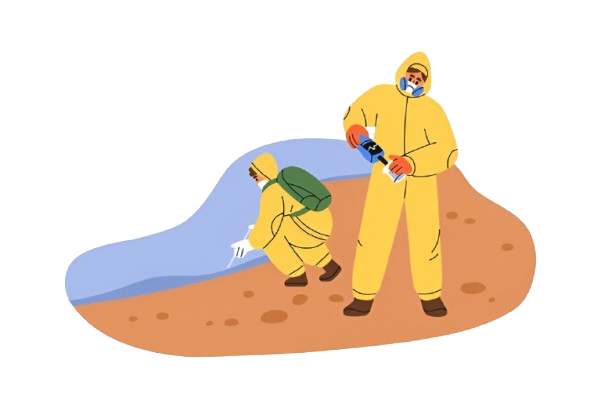
This service involves creating clear, practical policies to ensure a safe working environment and responsible environmental practices. It outlines safety procedures, waste management, emergency response, and compliance with laws—helping organizations reduce risks, protect workers, and operate sustainably.

Vibration Test

This test measures ground or structural vibrations caused by machinery, traffic, or construction activities. It helps assess potential impacts on buildings, infrastructure, and human comfort, ensuring compliance with safety standards and minimizing damage or disturbance.

Image2 1
Image5 1

Light Intensity Test

This test measures the brightness or illumination level in an area, usually in lux or lumens. It ensures adequate lighting for safety, productivity, and comfort in workplaces, public spaces, or construction sites, following recommended standards.

Flue Gas / Stack Emission Test

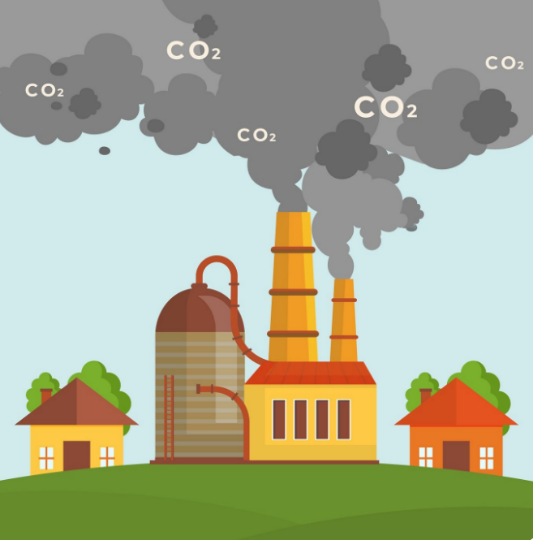
This test measures the gases released from industrial chimneys (stacks), including CO₂, CO, SO₂, NOₓ, and particulate matter. It helps assess air pollution levels, ensure regulatory compliance, and improve emission control systems for cleaner and safer operations.

Image8
Image3 Removebg Preview 2

Ozone Depleting Substances (ODS)

ODS are chemicals like CFCs, HCFCs, and halons that damage the Earth’s ozone layer. We help identify, monitor, and manage the use of ODS in equipment like refrigerators and air conditioners—promoting eco-friendly alternatives and compliance with environmental regulations like the Montreal Protocol.

Carbon Monoxide (CO)

CO is a colorless, odorless, and toxic gas produced from incomplete combustion of fuels. We monitor CO levels in air to assess pollution, ensure workplace and public safety, and support compliance with environmental and health standards.

Image11
Scroll to Top